
When Is the Best Age to Castrate a Male Cat in Australia?
20 August 2026
The right age for cat castration is one of the most common questions for new cat owners in Glen Waverley, VIC. Most vets across Australia recommend having your male cat castrated between four and six months of age, ideally before he reaches sexual maturity.
What Is the Recommended Age to Castrate a Male Cat in Australia?
The usual window in Australia is four to six months of age, though current guidance leans towards the earlier end of that range. The RSPCA recommends desexing kittens before four months, prior to puberty, provided a vet has assessed them as being in good health, at an appropriate weight, and adequately vaccinated. Castrating before puberty may help prevent testosterone-driven behaviours from becoming established habits, which can be far harder to address once they take hold.Traditionally, six months was considered the standard age. However, more recent evidence suggests that earlier castration, from around four months, is generally safe and carries meaningful health and welfare benefits. Your vet will assess your kitten's health, weight, and vaccination status before recommending the most suitable timing. For cat castrations, Glen Waverley vets can guide you through the options and help you choose the right age for your kitten.
What Happens If You Wait Too Long to Castrate Your Cat?
Delaying castration past sexual maturity can lead to a range of undesirable behavioural changes. Once a male cat reaches puberty, typically around eight to nine months of age, he may begin spraying strong-smelling urine to mark territory, roaming widely in search of mates, and fighting with other cats. These behaviours can be difficult to reverse after they are established, though castration at any age can still offer benefits.Entire male cats that roam outdoors are also at greater risk of road accidents and infectious disease transmission, including feline immunodeficiency virus (FIV), spread through bite wounds. Scheduling cat castrations in Glen Waverley before your cat reaches sexual maturity gives you the best chance of avoiding these complications.
Key Health and Behavioural Benefits of Cat Castration
Castration offers more than just population control. It can reduce or prevent several problems commonly seen in entire male cats.- Reduced urge to roam and stray from home.
- Lower likelihood of urine spraying and territorial marking indoors.
- Decreased aggression towards other cats and animals.
- Reduced risk of testicular conditions and some hormonal health issues.
- Lower chance of bite-wound abscesses from cat fights.
Can an Older Cat Still Be Castrated?
Yes, older cats can still be castrated, and many benefit from the procedure. While the behavioural benefits are most pronounced when the procedure is performed before puberty, castration in adult males can still result in a calmer temperament and reduced tendency to roam and fight. Your vet will conduct a health assessment, which may include pre-anaesthetic blood tests, to confirm your cat is a safe candidate regardless of age.What Does the Castration Procedure Involve?
Cat castration is a routine surgical procedure performed under general anaesthesia. The surgery typically takes less than an hour and most cats return home the same day. Your vet will provide post-operative care instructions covering rest, monitoring the surgical site, and managing food intake during recovery.Book a Cat Castration Consultation in Glen Waverley, VIC
Glenvale Veterinary Clinic offers desexing services for cats and can provide personalised guidance based on your kitten's health, weight, and breed. For cat castrations Glen Waverley families trust, visit the contact page or call 03 9802 9103 today. You can also find and review the clinic on Google via Glenvale Veterinary Clinic .
Learn what to expect from dog castrations in Glen Waverley. Glenvale Veterinary Clinic offers expert desexing care. Book your consultation today.

Glenvale Veterinary Clinic offers compassionate vet care for Burwood, VIC, pets. Call 03 9802 9103 today for advice and support.

Top tips from Glenvale Veterinary Clinic. Call 03 9802 9103 to see a trusted vet in Burwood, VIC, for your pet’s health today.
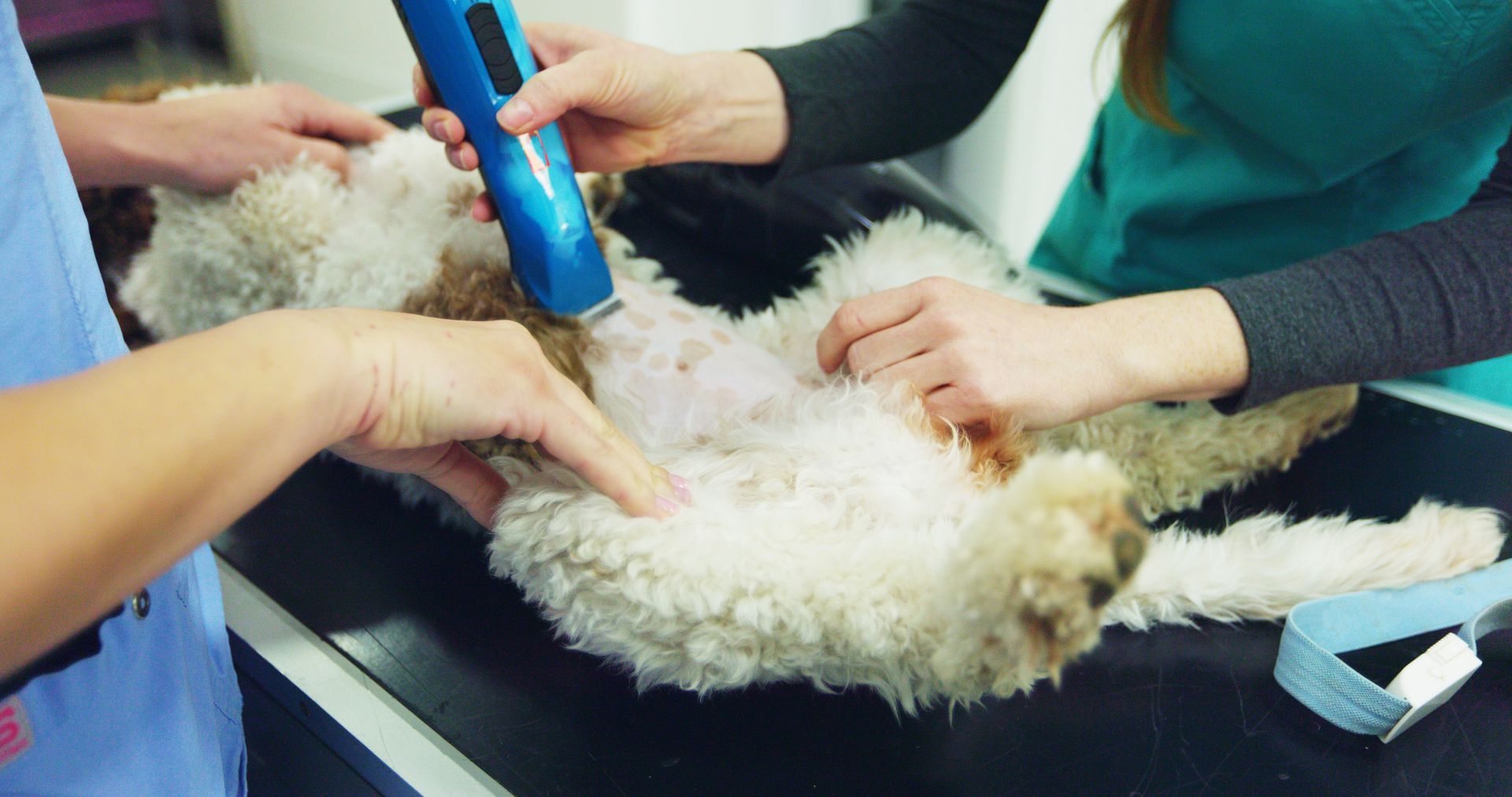
Get expert tips on dog castrations in Glen Waverley. Click here for pre-op advice, surgery day prep, and aftercare from Glenvale Veterinary Clinic.